You can interact with the objects and images you will find here, and find out more information about them.
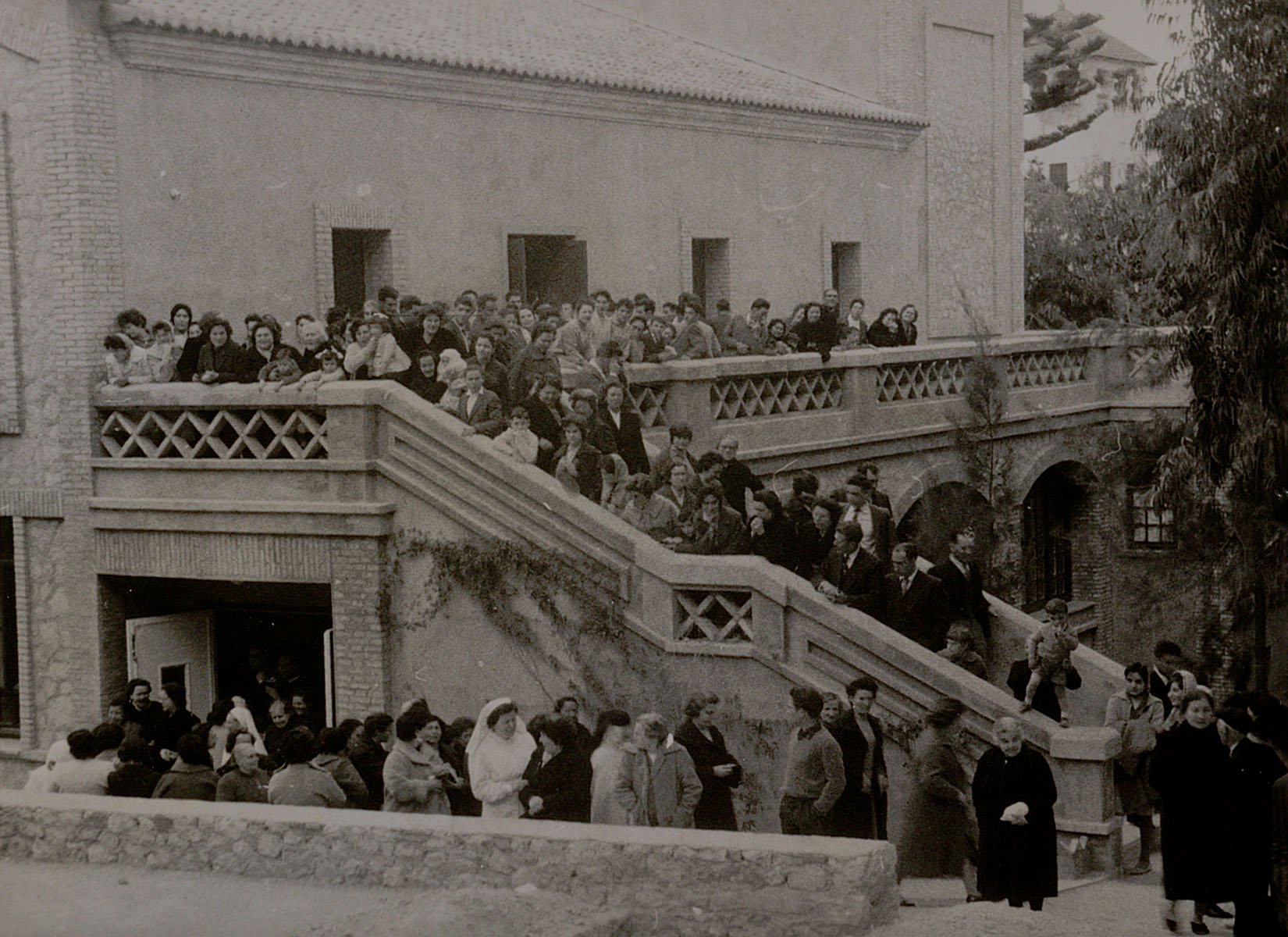
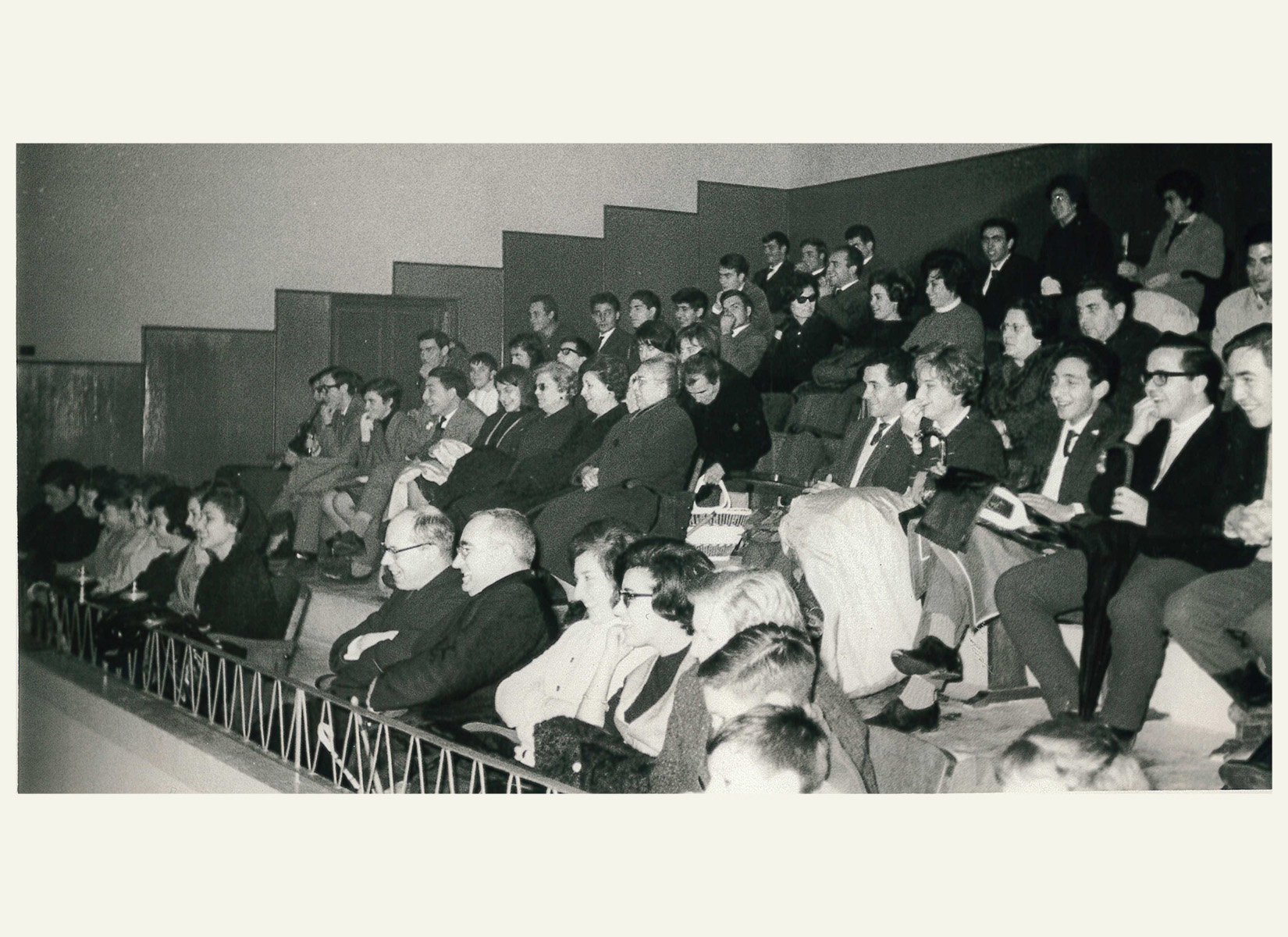
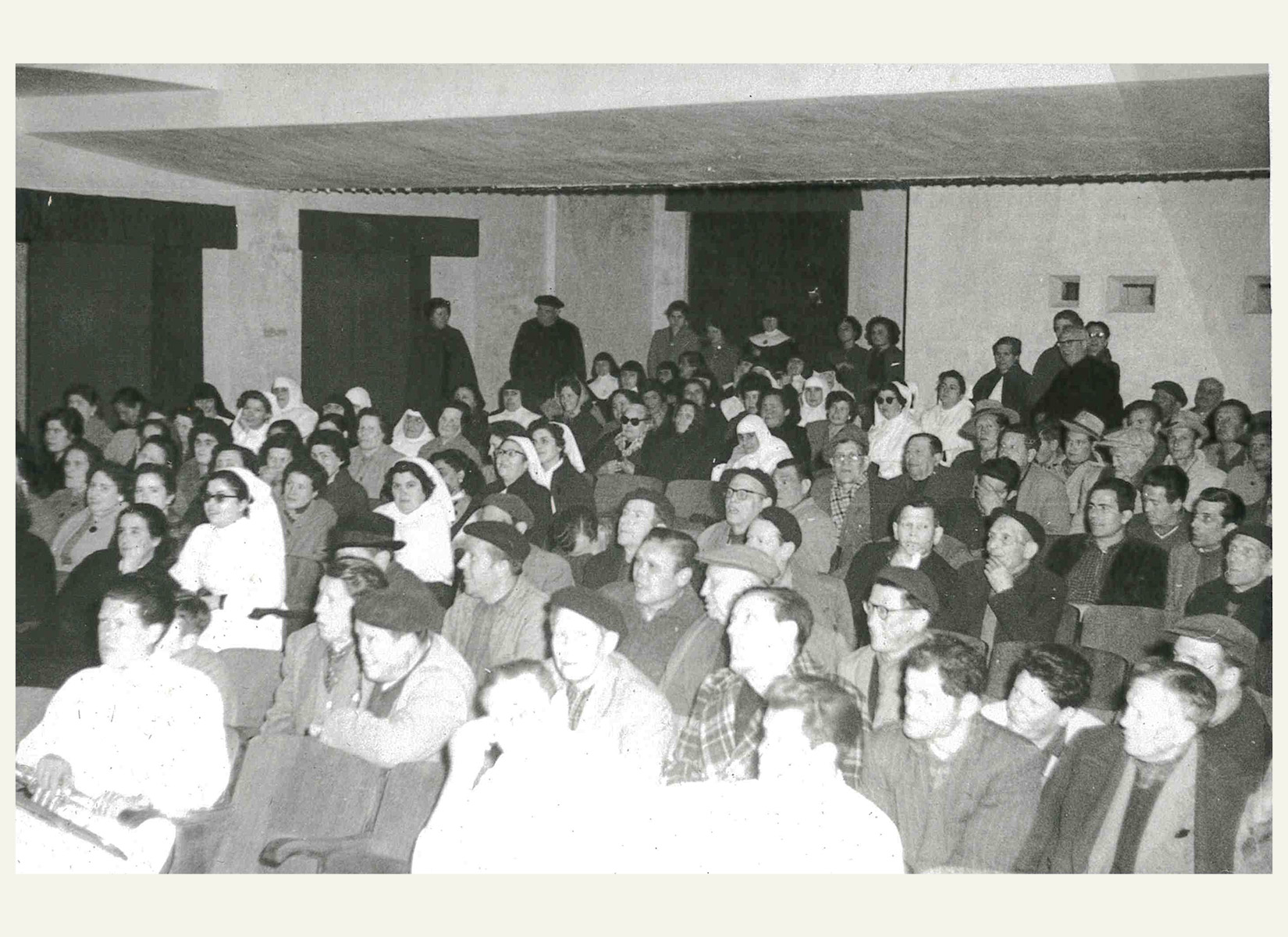
Fontilles theatre and the church were for decades the only two places where men, women, the healthy and the sick shared the same space. To allow these meetings to take place and to avoid contacts, parallel paths were traced, separate access doors were opened, and differentiated areas were defined. The stories tell us of the ceaseless exchange of glances and the intense aerial traffic of notes passed from one side of the hall to the other among those who saw these places as a unique opportunity to share their feelings and intentions with the person sitting on the other side. They also tell us about the multiple forms of censorship used to prevent the attire of invited actors or scenes from films screened in cinemas from altering the audience’s mood and compromising morality. Abilio graphically explained what he could remember of those years: “The priest carried the machine and, using a piece of cardboard, at the given moment, he would go… Pam! Blocked. He could see it, but it could not be seen from the outside. He would put the piece of cardboard in front of the camera, where the spotlight was, and pam! A cardboard and out it went”.
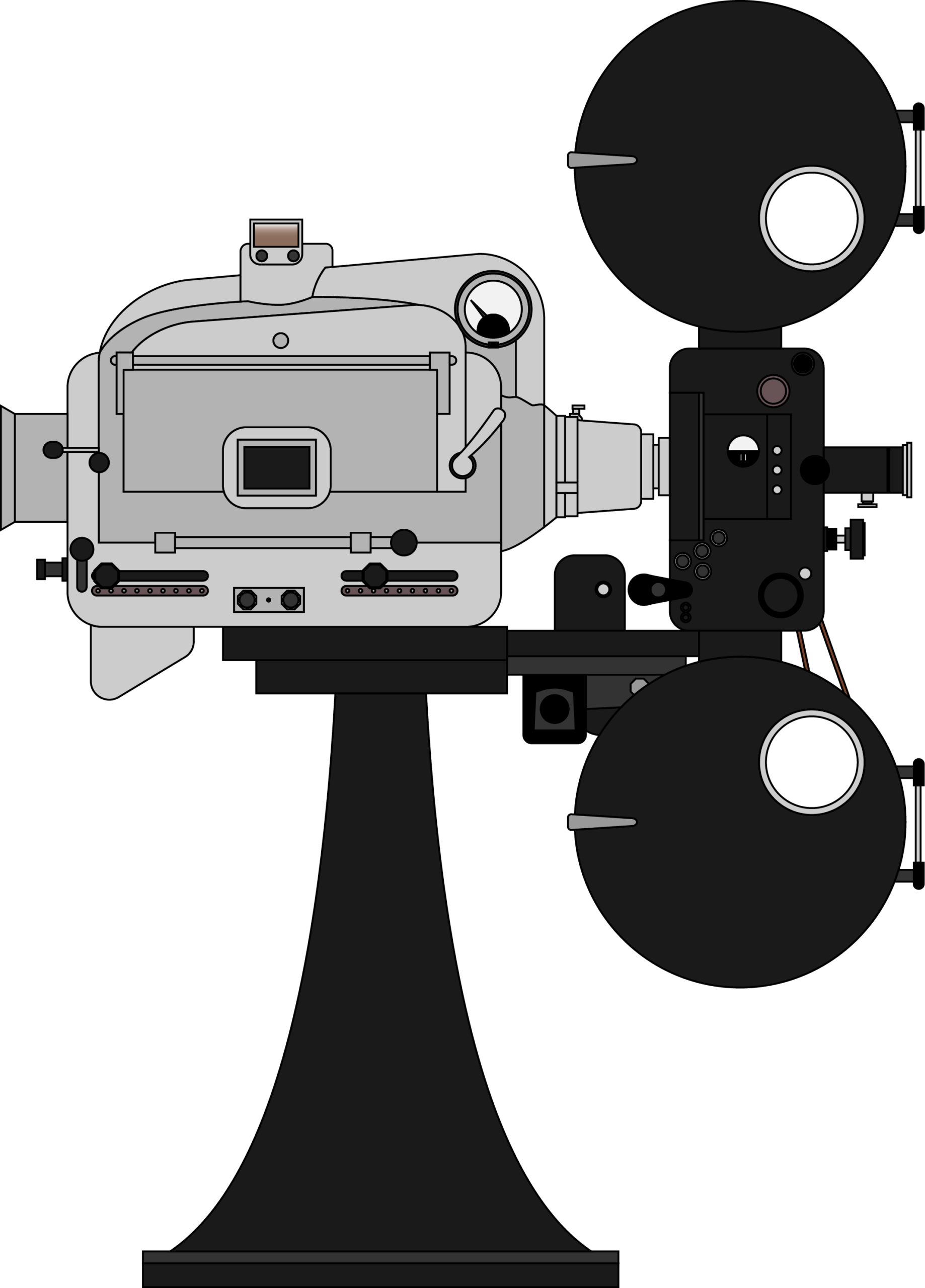
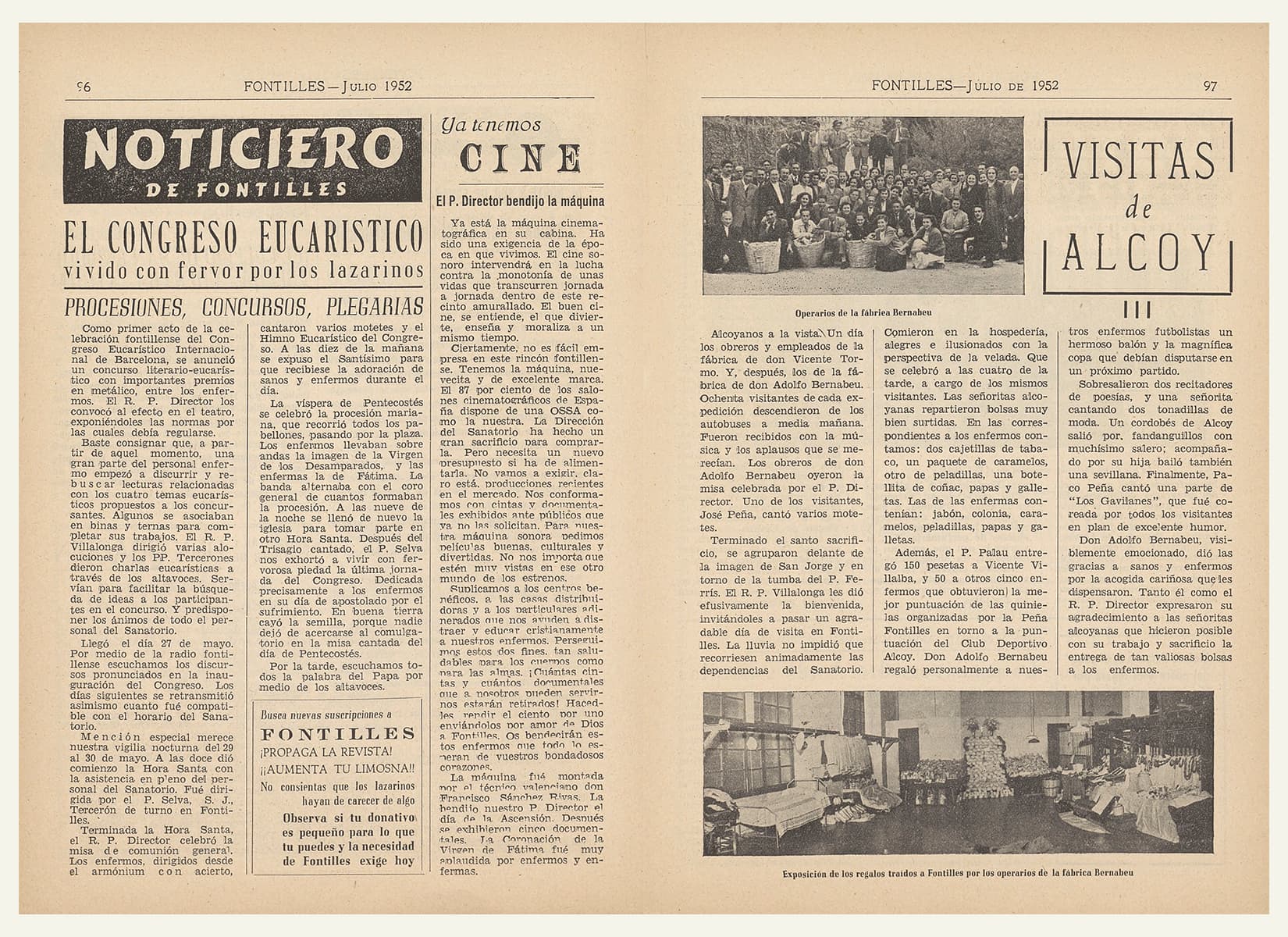
In July 1952, the Fontilles magazine announced the arrival of the OSSA sound cinematographic projector, the very one claimed to be used in “87 percent of the cinematographic halls in Spain”. The hope was that it would help to “counter the daily monotony of the lives within this walled enclosure” and would allow showing “good films, that is, the ones that entertain, teach and moralise at the same time”. The OSSA projector has been used in this exhibition to reenact Fontilles cinema and theatre, allowing to project Fontilles in Super-8, a film edited with sequences taken from the dozens of recordings made by Fontilles inhabitants and visitors in the 60s and 70s. They were handed to the Film Archive of the Valencian Institute of Culture for digitisation, conservation and consultation.
Fontilles on Super-8.
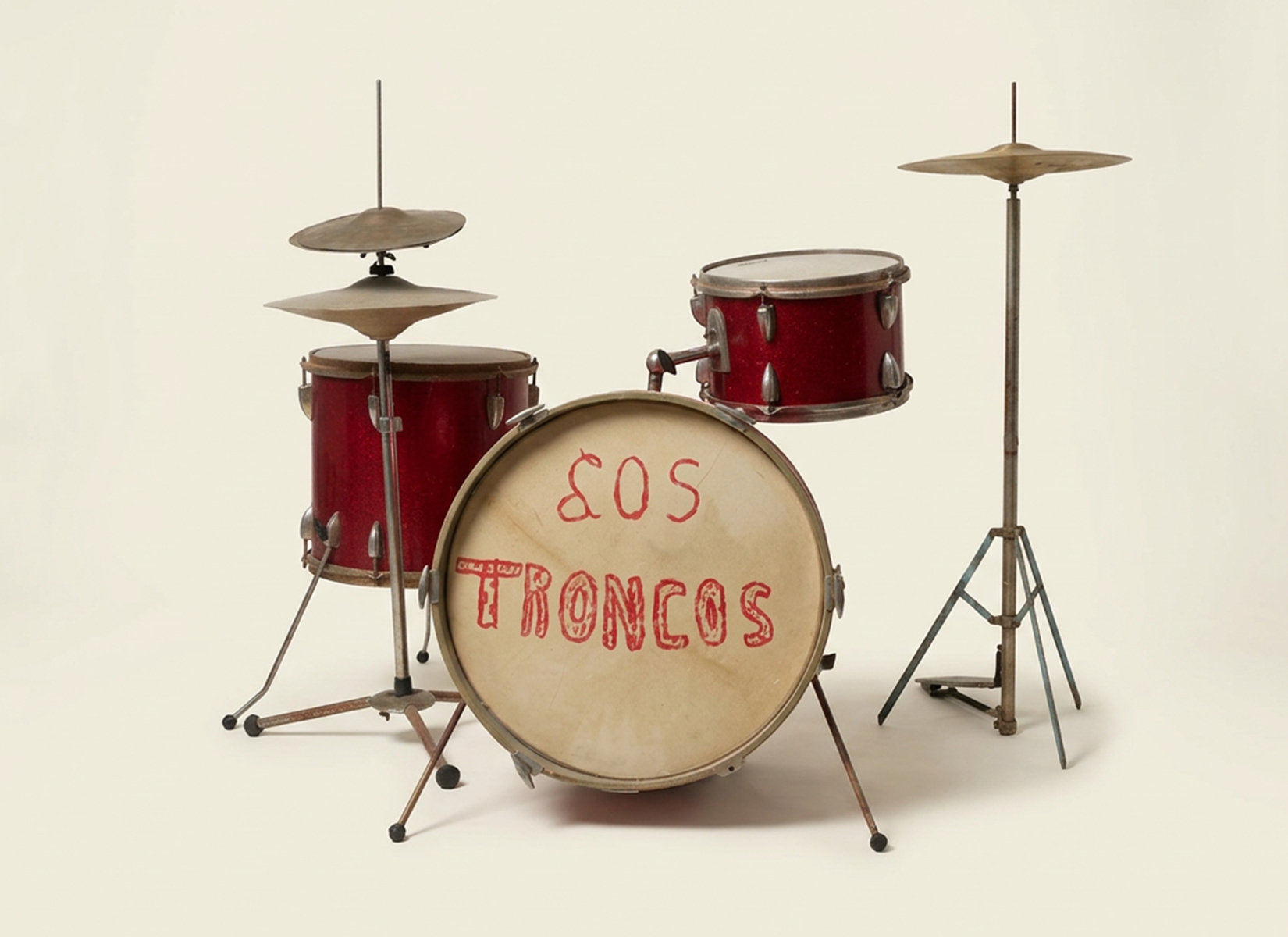
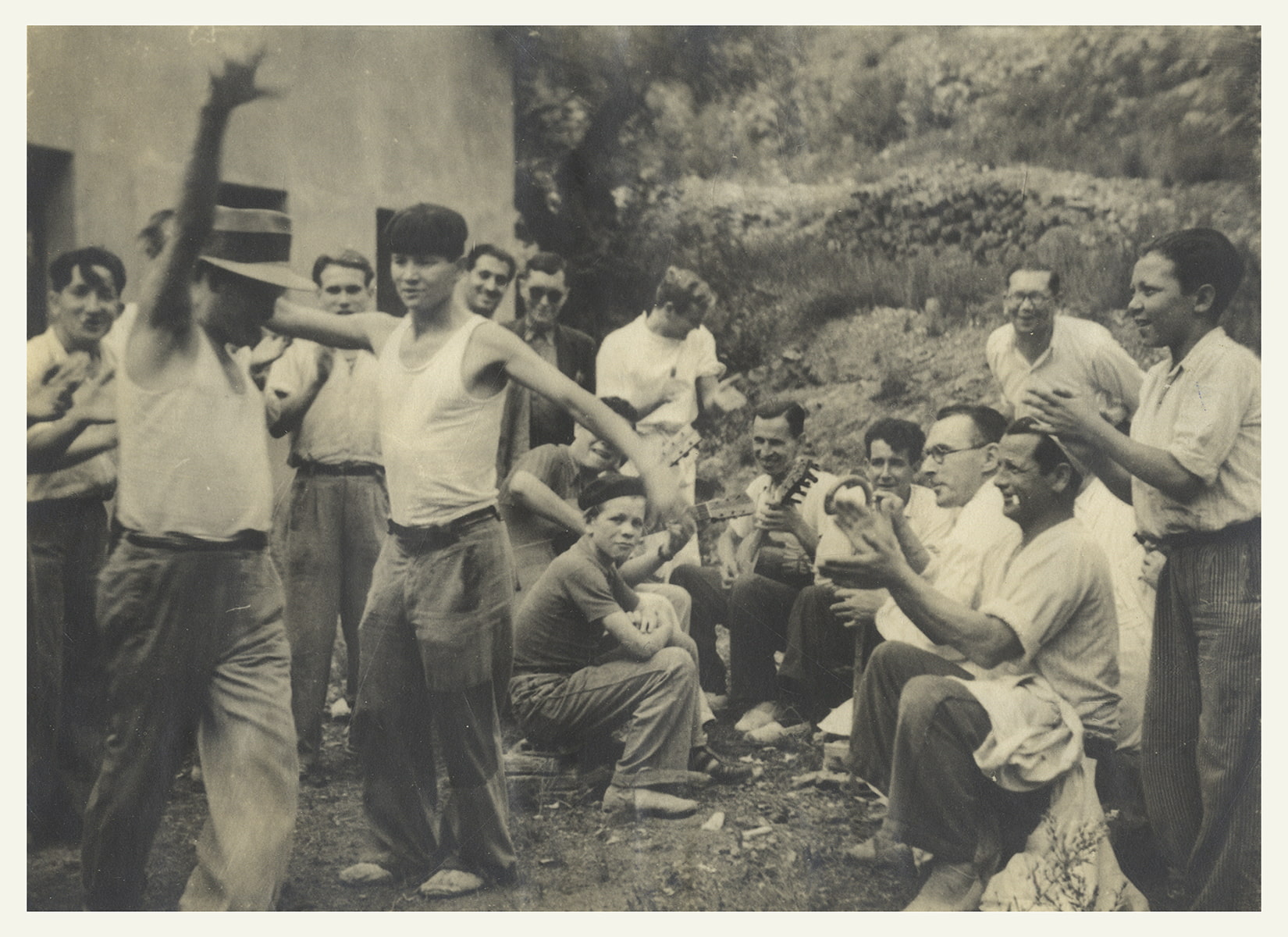
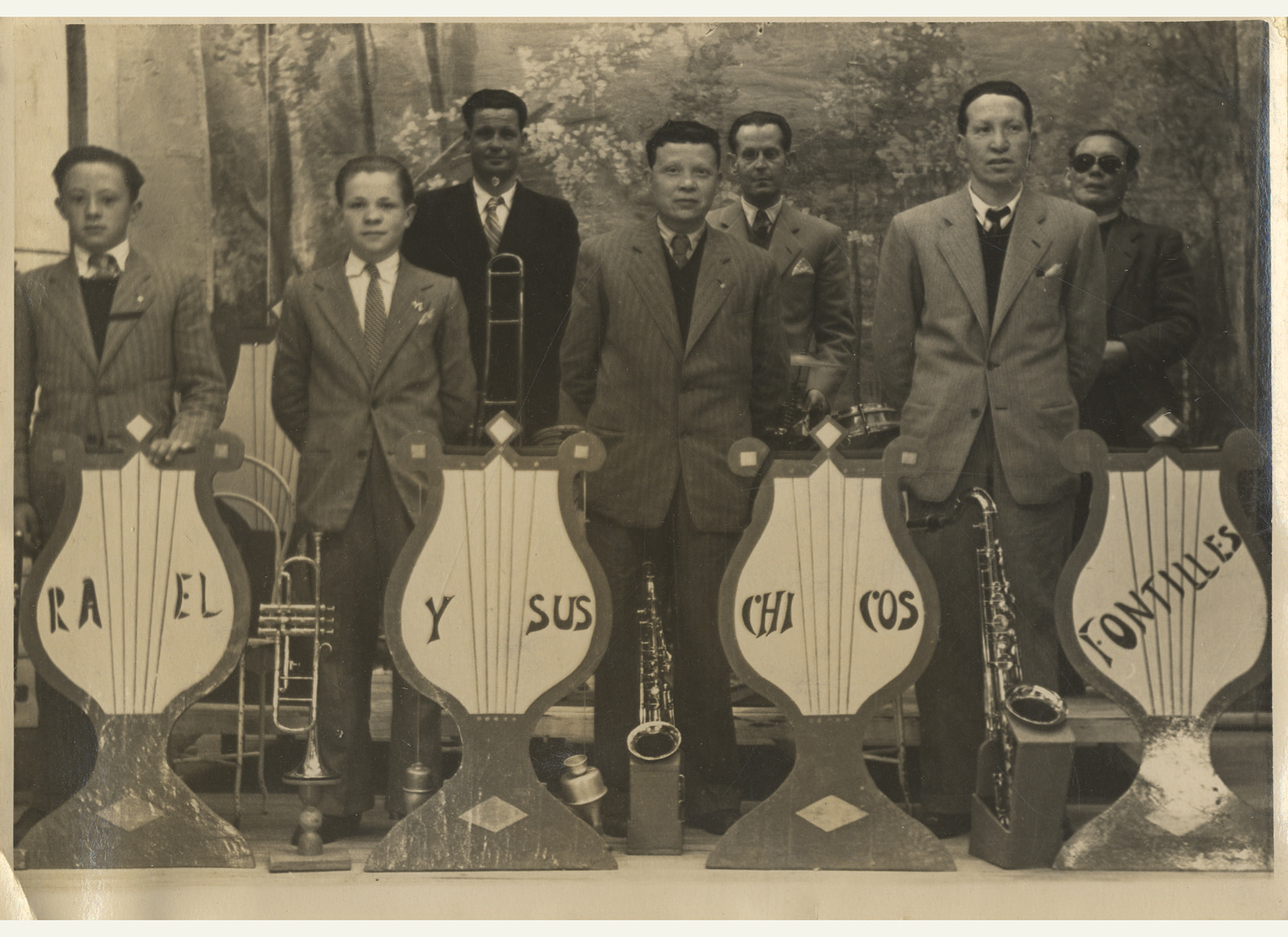
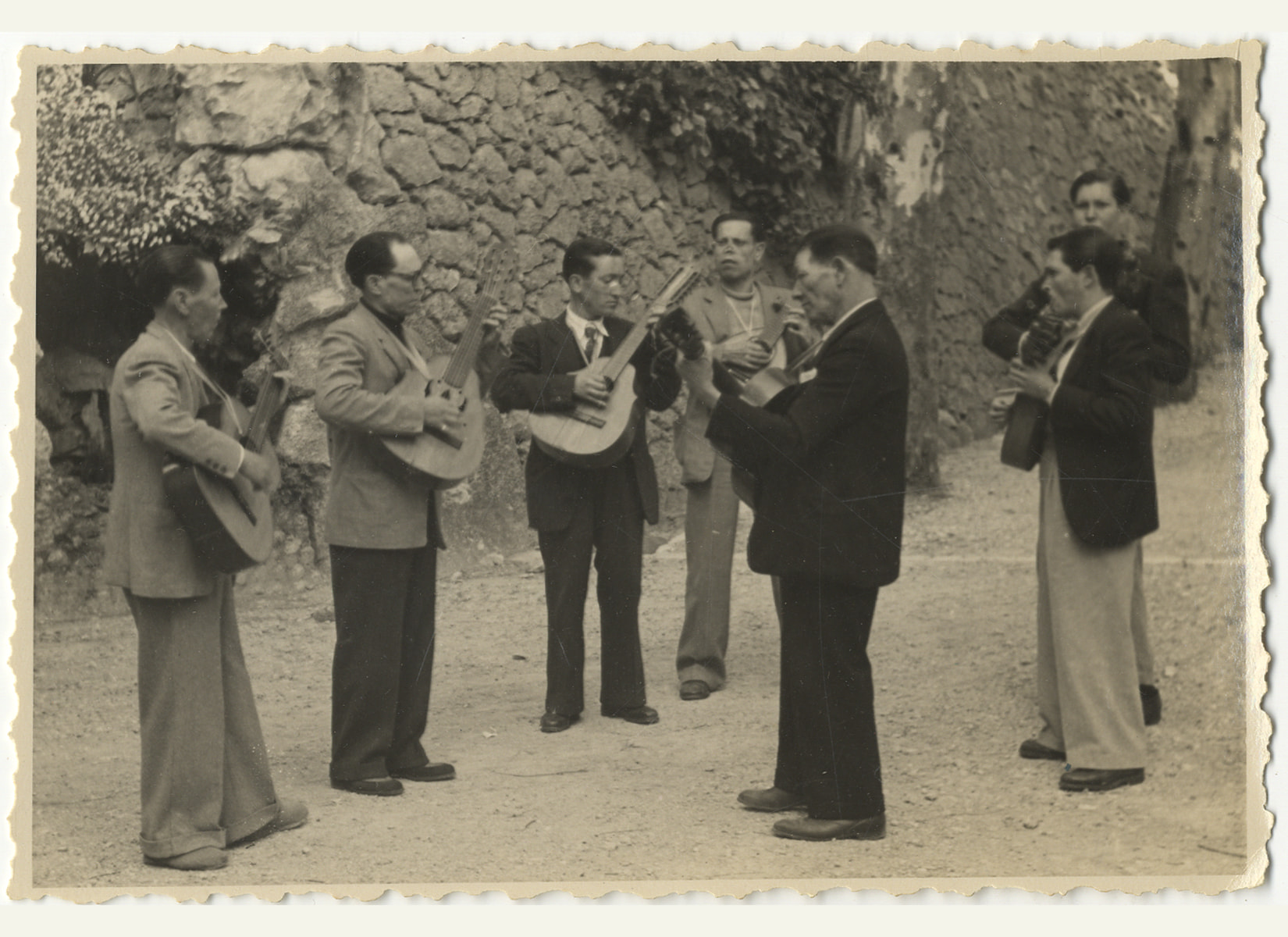
“There was a stronger community spirit, and we had a great time, because we organised parties… We had so much fun! The priest knew nothing; we did it all by ourselves” – says Emilia as she remembers what she found in Fontilles when she arrived in 1977, at just 22 years old. Abilio, who arrived as a child a few years earlier also remembered that “there was fun, singing, laughter, and parties”, although he lamented that “girls were there, and we were here”. These moments of joy, celebration and companionship are a recurring theme in the stories told by Fontilles residents or by those of Trillo, the other large sanatorium, which opened in 1943. Sharing the food parcels sent by families, listening to, and accompanying those who sang the flamenco songs and tunes learned in their southern villages, taking care of the newcomers, getting together to dance or chat are some of the forms of leisure that made the men and women of Fontilles feel equal. They also greatly contributed to weaving the bonds of friendship and solidarity – of “union” as they called it — which helped them to cope with isolation and uprooting, and that they managed to maintain for their whole life.
These forms of free and clandestine leisure have reached us solely through the testimony of those who told their story. But what we do have abundant traces of is those other forms of organised and supervised leisure that marked the sanatorium’s festive calendar, and which gave rise to thousands of photographs and hours of films and sound recordings. The countryside paellas, the “Moors and Christians” parade of Alcoi, the sanatorium’s patron saint festivities, the religious celebrations, the visit of the Fontilles friends’ clubs, or the arrival of illustrious guests marked the calendar with monotony-breaking events. The preserved photographs and films illustrate the enthusiasm aroused during bullfights and the joy of the tombolas, the gymkhanas, the sack races, and the endless children’s games in which men and women participated, under the watchful eye of those responsible for their care and custody.
Does my Maria sing? Voices and images of encounters around dance and song.